
We are a collective of independent asset owners and practitioners implementing the ISO 19650 series. We share practical, accurate guidance for appointing parties and the supply chain delivering information on real projects and assets.

Revision update: ISO 19650 parts 1 to 3 are being revised. The current editions still apply.
What is changing →What each standard covers, who it is for, its current status and how it fits with the rest.
Sets out the shared concepts, terms and principles for managing information about built assets across their whole life, which the rest of the series builds on.
Published 2018Revision in progress
Specifies the requirements for managing information during the design and construction (delivery) phase of a built asset, from appointment through to handover.
Published 2018Revision in progress
Specifies requirements for managing information while a built asset is in use, so owners and operators keep reliable, up to date asset information.
Published 2020Revision in progress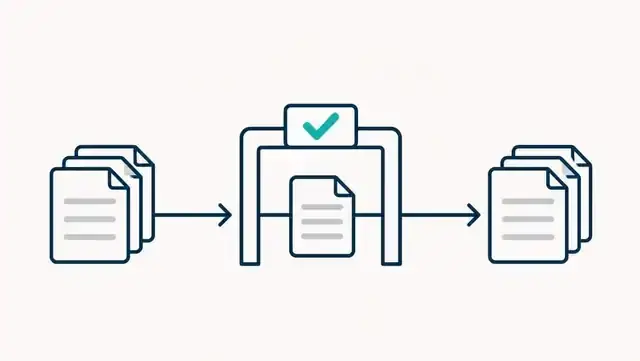
Sets out the process and decision criteria for each information exchange, so that information shared or accepted is of sufficient quality.
Published 2022
Sets out how to manage sensitive information about built assets in a proportionate, security-minded way throughout their life.
Published 2020
Sets out how to identify, structure, share and reuse health and safety information collaboratively across a built asset's life.
Published 2025
Gives a consistent way to specify how much, and what kind of, information is needed for each purpose, avoiding both too little and too much.
Part 1 published 2024Part 2 in draft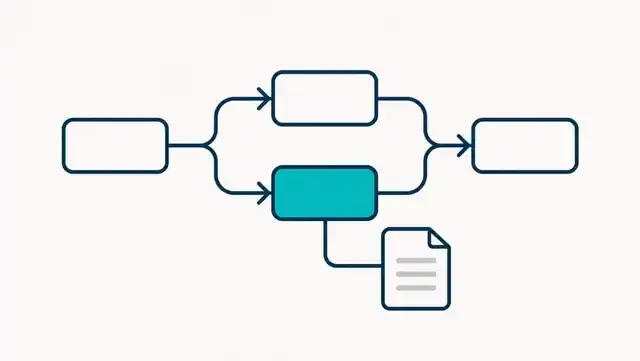
Defines a method for documenting a use case and specifying exactly what information must be exchanged, when and between whom.
Published 2025
ISO 55000 explains asset management principles and terms; ISO 55001 sets certifiable requirements for an asset management system; ISO 55013 guides managing data assets.
Published 2024
Sets certifiable requirements for a facility management system that supports the organisation it serves, meets stakeholder needs and stays sustainable.
Published 2018Revision in progressMost organisations work with two or three of these standards. Start with the ones that match your role in the appointment.
Set clear information requirements before you appoint, and know what to require at handover.
ISO 19650-1 →ISO 19650-2 →ISO 7817 level of information need →Respond to tenders, plan delivery with the MIDP and TIDPs, and run the common data environment.
ISO 19650-2 →ISO 19650-4 →ISO 29481-1 →Produce, check and share information that is fit for purpose, safe and secure.
ISO 19650-2 →ISO 19650-5 →ISO 19650-6 →Keep reliable asset information through the whole life of a building or network.
ISO 19650-3 →ISO 55000 and 55001 →ISO 41001 →Short answers to the questions we hear most often.
An international series of standards for managing information about buildings and infrastructure across their whole life, using building information modelling (BIM). Parts 1 to 6 cover concepts, delivery, operation, information exchange, security and health and safety.
Yes. Parts 1, 2 and 3 are being revised into a single whole-life information management process. The 2018 and 2020 editions remain current until the new editions are published. See our revision page for the latest stage.
It is not law. Clients usually require it through contracts and appointments, and many public bodies in the UK and elsewhere ask for it.
Start with Part 1 for the concepts, then Part 2 if you deliver projects or Part 3 if you manage assets in use.
A collective of independent asset owners and practitioners implementing the ISO 19650 series. It is not the official ISO website: for the official text, buy the standard from ISO or your national standards body.